The Hair Oiling Routine That Became Part of My Hair Growth Journey
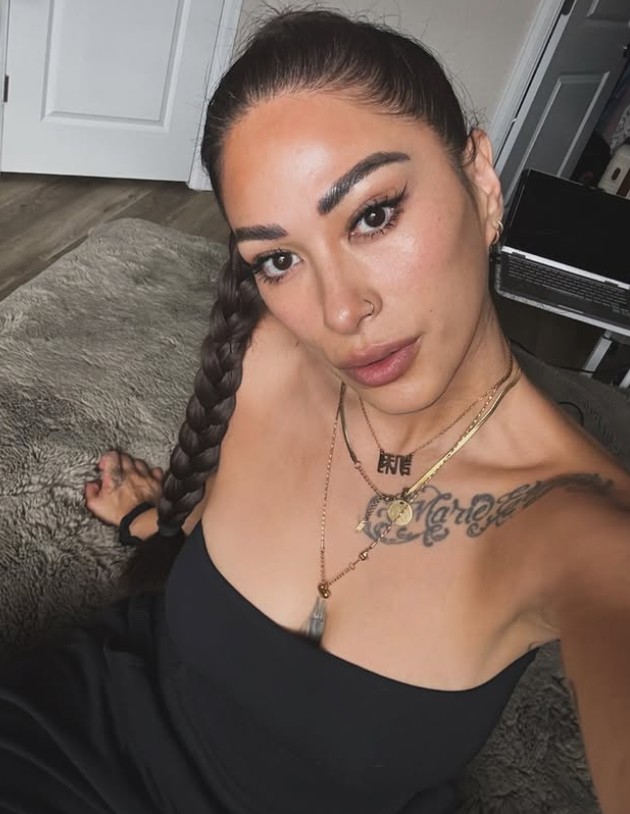
Updated: Sep 16

Hair loss is one of those things you don’t fully understand until it happens to you.
For me, it wasn’t just about having less hair. It was looking in the mirror and feeling like another piece of myself had changed during a time when so many other parts of my life already felt unfamiliar.
After going through an extremely stressful period in my life, I started losing a significant amount of hair—eventually, roughly 40% of it. And when you’re watching your hair get thinner and thinner, it’s really easy to fall into the rabbit hole of trying to figure out what you can do to make it stop.
I definitely did.
But over time, I stopped looking for one miracle product and started thinking about my hair differently. Instead of asking, “What is going to grow my hair back?” I started asking, “What can I do consistently to take better care of my hair and my body?”
That shift is how hair oiling became part of my routine.
Why I Started Hair Oiling
Hair oiling is only one piece of my healthy hair routine.
I also began paying closer attention to nutrition, stress management, scalp care, protective habits, and how gently I handled my thinning hair. My goal wasn’t simply to find something that promised faster growth. I wanted to create a realistic routine that supported both my scalp and the hair I still had.
I personally don’t use minoxidil. That was an individual decision—not a recommendation for anyone else. I wanted to build a routine I felt comfortable maintaining long-term while also addressing the bigger factors affecting my hair.
Hair oiling fit naturally into that approach.
There was something healing about slowing down, sectioning my hair, massaging my scalp, and intentionally caring for myself again. Over time, it stopped feeling like a desperate attempt to “fix” my hair.
Instead, it became a small act of care while my body recovered from a difficult season.
The 3 Oils I Keep in My Routine
I don't use the same oil for everything.
One of the biggest things I've learned is that different parts of my hair have different needs. My scalp, lengths, and ends aren't necessarily asking for the same thing.
These are the three oils I keep coming back to.
1. Rosemary Castor Oil - For My Scalp
On wash days, I use rosemary castor oil as a scalp mask.
Because castor oil is thick, I don’t need very much. I gently section my hair, apply a small amount across my scalp, and massage it in with my fingertips or a scalp massager.
The goal is not to completely cover my hair in oil. More oil does not automatically mean better results—and using too much can create buildup and make it more difficult to wash out.
Rosemary oil has become popular in conversations about hair growth, and there is some early research behind that interest. One small clinical trial involving people with androgenetic alopecia found increased hair counts after six months of rosemary-oil use. However, that doesn’t prove that every rosemary product or rosemary castor oil blend will regrow hair, and it doesn’t mean that it treats every cause of hair loss.
Castor oil is commonly used to condition the scalp and add shine, but strong evidence that castor oil itself causes hair growth is still lacking.
That’s why I consider my rosemary castor oil a scalp-care step—not a medical treatment or a miracle solution.
I also consider the gentle scalp massage an important part of the ritual. It gives me time to pay attention to my scalp without aggressively scratching, rubbing, or pulling at hair that is already fragile.
2. Fractionated Coconut Oil — For My Weekly Hair Masks
Fractionated coconut oil is my go-to base when I do a weekly hair mask.
This is where hair oiling can have a much more straightforward benefit.
Coconut oil can help condition the hair and protect the hair shaft. Regular coconut oil has also been studied for its ability to reduce protein loss from hair, which is one reason coconut-based oils are so popular for protecting dry or damaged hair.
My goal with a coconut oil hair mask isn't to magically make new hair grow from my scalp.
It's to protect the hair I already have.
When you're trying to grow your hair longer, retention matters. Your hair can be growing from the root while simultaneously breaking at the ends, making it feel like you're getting nowhere.
I use fractionated coconut oil throughout my lengths as a moisturizing base for my weekly masks, concentrating on the areas that tend to feel dry.
Again, I don't completely saturate my hair.
I've found that a moderate amount is much easier to work with—and much easier to wash out.
3. Moroccan Argan Oil — For My Ends
My Moroccan argan oil has a completely different job.
This is the oil I reach for at night.
Before bed, I use a small amount of Moroccan argan oil on my ends to help keep them moisturized and protected overnight.
The ends of your hair are the oldest part of your hair, which means they've also experienced the most washing, brushing, heat, friction, styling, and general life.
And when you're trying to retain length, protecting those ends becomes really important.
Argan oil isn't making the follicles on my scalp produce hair faster. Instead, I'm using it to condition my ends, reduce that dry, brittle feeling, and hopefully prevent some of the breakage that can make growing longer hair so frustrating.
It's one of the smallest steps in my routine, but also one of the easiest to stay consistent with.
My Weekly Hair-Oiling Routine
I keep my actual routine pretty simple because I've learned that if something is too complicated, I'm probably not going to keep doing it.
On my hair-oiling or wash days, I start by gently sectioning my hair.
I apply Jamaican black castor oil primarily to my scalp. Then I spend a few minutes gently massaging my scalp rather than aggressively rubbing or scratching it.
For the lengths of my hair, I use fractionated coconut oil as the base for my hair mask, paying particular attention to dry areas and my ends.
After letting the oils sit, I wash my hair thoroughly.
Then, throughout the week, I use a very small amount of Moroccan argan oil on my ends at night whenever they need moisture.
That's really it.
No complicated 12-step process. No completely soaking my hair in oil every night.
For me, consistency has been much more important than intensity.
What Hair Oiling Can—and Can't—Do
This is the most important thing I want anyone reading this to understand: hair oiling was part of my journey, but I would never claim that oils alone regrew my hair.
Hair loss can be connected to stress, nutritional deficiencies, hormones, thyroid or autoimmune conditions, genetics, medications, styling damage, and many other factors. An oil cannot diagnose or correct those underlying causes.
What the right oils can do is help condition the hair, reduce dryness, improve softness and shine, support a comfortable scalp, and protect against some forms of damage or breakage.
That is different from creating new follicles, treating a medical condition, or guaranteeing faster hair growth.
I saw the best changes when I stopped expecting one product to do everything. Hair oiling worked for me as one part of a much larger routine that included nutrition, stress management, scalp care, gentle hair habits, and patience.
What I Learned From Being Consistent
When my hair was at its thinnest, the last thing it needed was for me to constantly manipulate it because I was panicking.
It needed me to be gentle.
It needed time.
Honestly, so did I.
I began focusing on what I could control: taking care of my body, managing stress, protecting my lengths, caring for my scalp, and building routines I could realistically continue.
Hair oiling became one of those routines. Somewhere along the way, it became about more than getting my old hair back. It became one of the small ways I started taking care of myself again.
If you’re experiencing hair loss, I know how discouraging it can feel to look in the mirror and wonder whether you’ll ever recognize yourself again.
Your hair does not define you—but you are still allowed to care about it. You’re allowed to miss it, and you’re allowed to find gentle routines that help you feel more like yourself while you figure out what your body needs.
If you’re rebuilding your hair routine too, I’ve linked the oils and tools I personally use below.
Disclaimer: This post shares my personal experience and hair-care routine and is not medical advice. Hair loss can have many underlying causes. If you're experiencing sudden, unexplained, or significant hair loss, consider talking with a qualified healthcare professional or dermatologist to help determine the cause.

Comments